

Costs, Permits, and Timelines Explained
When homeowners hear the term design-build, it’s often described as a more “streamlined” way to build. But in a city like Toronto where zoning rules, permits, and construction logistics are anything but simple, the true value of design-build appears much earlier than most expect.
At its core, design-build brings the architect and builder together from day one, aligning design decisions with real-world costs, regulations, and construction realities before drawings are finalized.
“Design-build is really about removing uncertainty early,”
—Tom Martino, President of Westrose Construction.
When the builder is involved from the beginning, we’re reviewing ideas alongside real construction costs and zoning realities, not after drawings are finalized.”
Budget-informed design, from the start
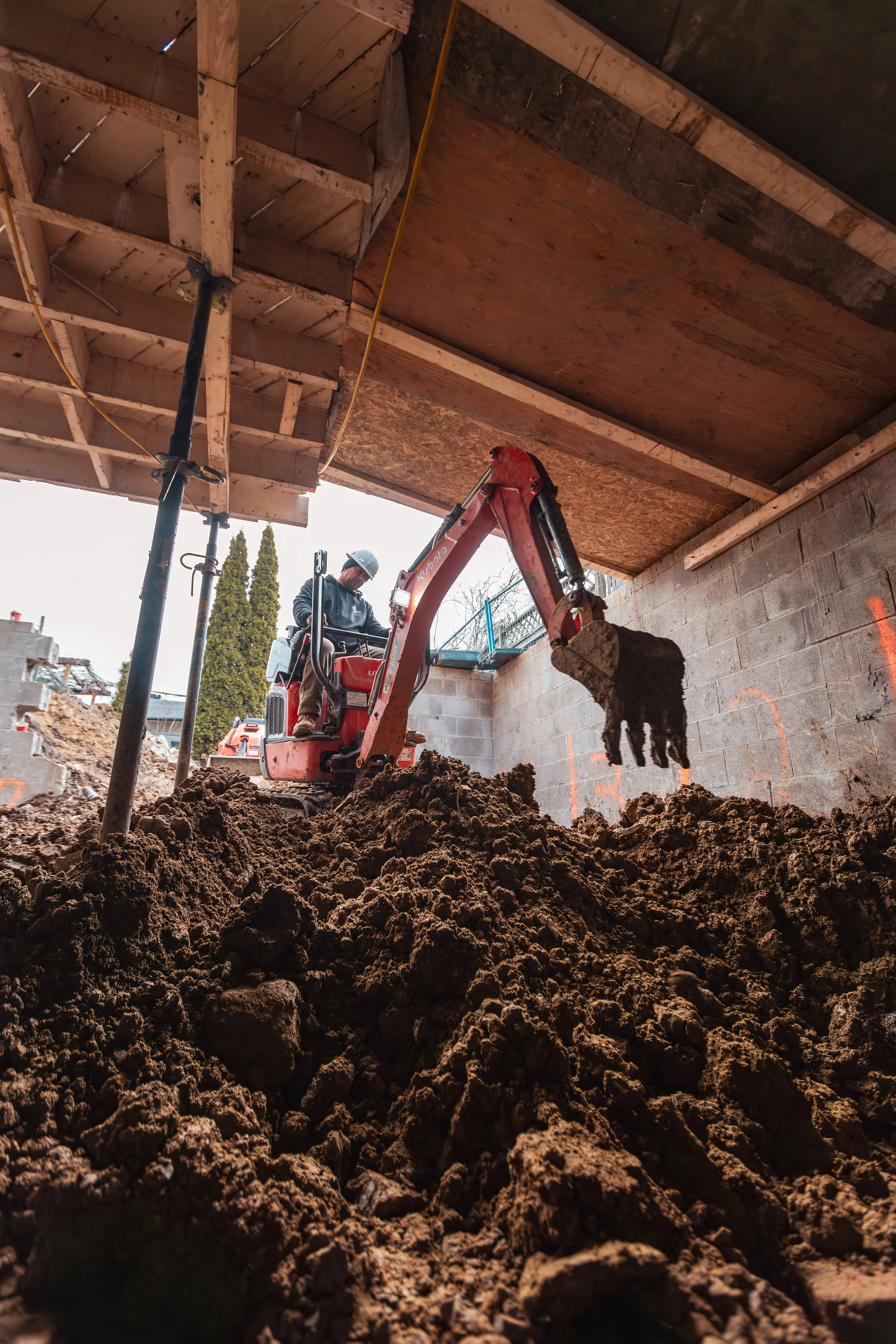
One of the most common issues Westrose sees is homeowners completing a full design only to discover it exceeds their budget once priced by a builder. In a design-build process, construction costs, material availability, and build complexity are evaluated as the design evolves, not after the fact.
If a feature pushes the budget too far, alternatives can be explored early on, which preserves the overall design intent while keeping the project financially realistic.
“It’s much easier to adjust a design early than to tell a homeowner later that their project is hundreds of thousands over budget,”
—Tom Martino, President of Westrose Construction.
“That’s where design-build really protects people.”
Design-Build, at a Glance
• Budget alignment from day one
• Early zoning and feasibility review
• Overlapping permits and planning
• Fewer surprises during construction
Toronto zoning realities, addressed early
Toronto’s zoning bylaws often require variances for elements like rear-yard depth, side-yard setbacks, or building height. Many custom homes end up needing Committee of Adjustment (COA) approval, which can significantly impact timelines if not anticipated.
“Zoning and COA requirements often shape what’s possible more than people realize,” Tom notes. He emphasizes that identifying those constraints early allows the team to design with them in mind, instead of scrambling later under pressure. He continues, “If a design is likely to require a Committee of Adjustment, we want to know that before homeowners are emotionally invested in something that can’t be approved.”

Get Your Hands On Our Free
Home Buyers Checklist!
Permits and planning don’t have to be sequential
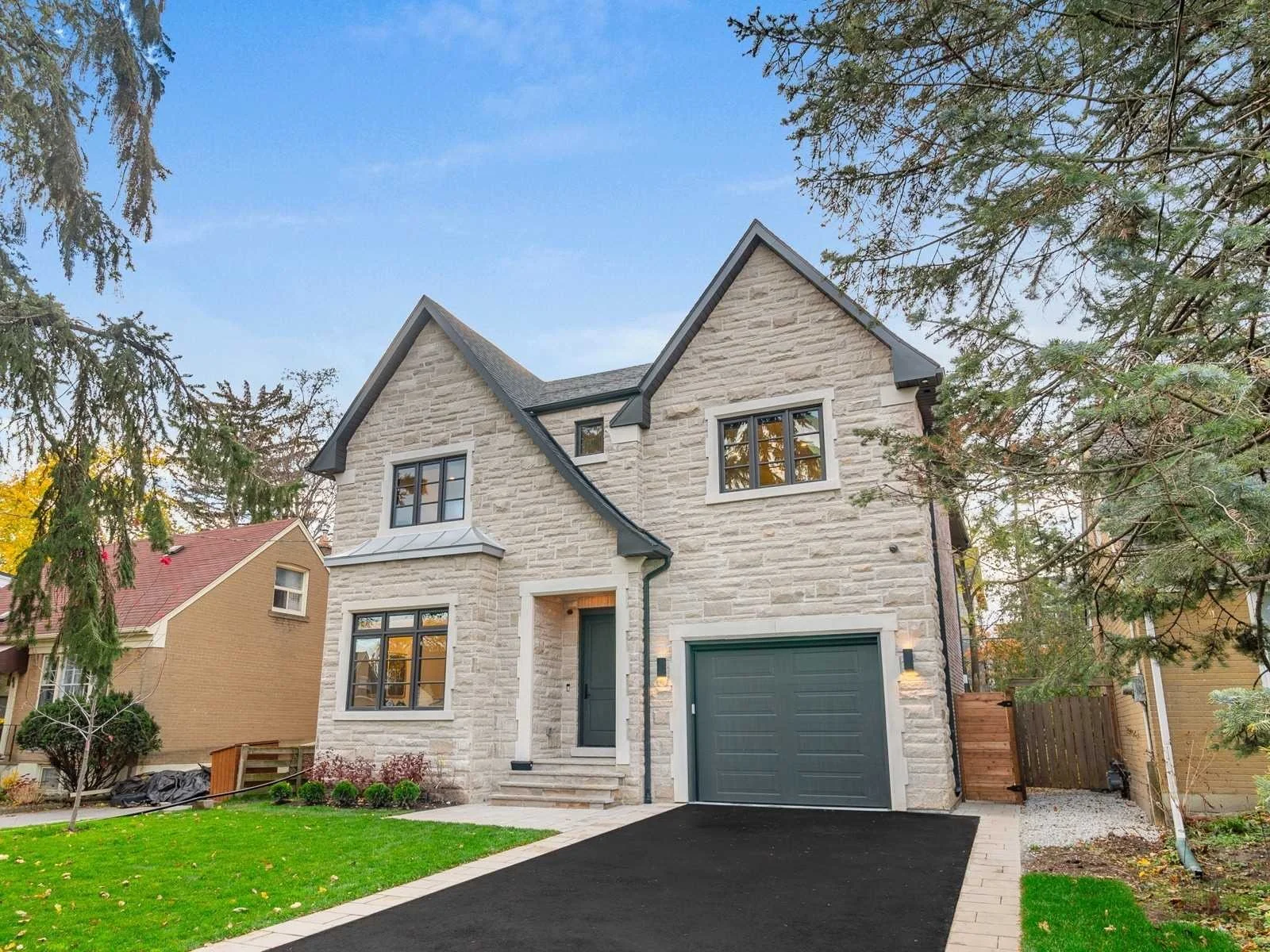
Another advantage of design-build is that permit review and construction planning can overlap. “Catching conflicts on paper instead of on site saves time, money and frustration,” confirms Tom. While permits are under review, builders can coordinate trades, review drawings, and plan schedules.
This early coordination helps identify issues such as conflicts between structural elements and mechanical systems before construction begins, avoiding costly rework once the build is underway.

Shorter timelines, without cutting corners
From a scheduling standpoint, early trade coordination reduces downtime and sequencing conflicts. Confirming wall assemblies, mechanical layouts, and window specifications during design allows materials to be ordered accurately and on time, keeping the project moving once construction starts.
For homeowners, the biggest takeaway is confidence and predictability.
“When costs, permits, and timelines are aligned early, homeowners gain certainty,”
—Tom Martino, President of Westrose Construction.
“They know what they’re committing to, they know it can be approved, and they know it can actually be built without constant surprises.”
In Toronto’s complex building environment, that early alignment is often the difference between a project that feels reactive as opposed to a well-planned, smooth experience from day one.
Toronto-Specific Advantages
Toronto’s zoning bylaws, permitting processes, and older housing stock add layers of complexity to many projects. For custom homes in Toronto or major renovations, design-build allows designers and builders to work together early, navigating approvals and identifying existing conditions before they become costly delays.
“Toronto homes often have quirks you don’t see on paper,” Tom notes.
Interested in starting your project with Westrose Construction?
Click below and let’s talk!