
Design-Build vs Hiring Separately: What Toronto Homeowners Should Know
Tom Martino, President of Westrose Construction, explains how each approach works and how to decide which one makes sense for your renovation or custom home build.
There’s a certain kind of excitement that happens when you finally decide to move forward on a major renovation or custom build that has been lingering in your mind. It’s the distinct moment when a “wouldn’t it be nice” stops being a someday idea and starts to become real It’s the distinct moment when a “wouldn’t it be nice” stops being a someday idea and starts to become real.
What happens next depends largely on the path you choose to bring that vision to life.
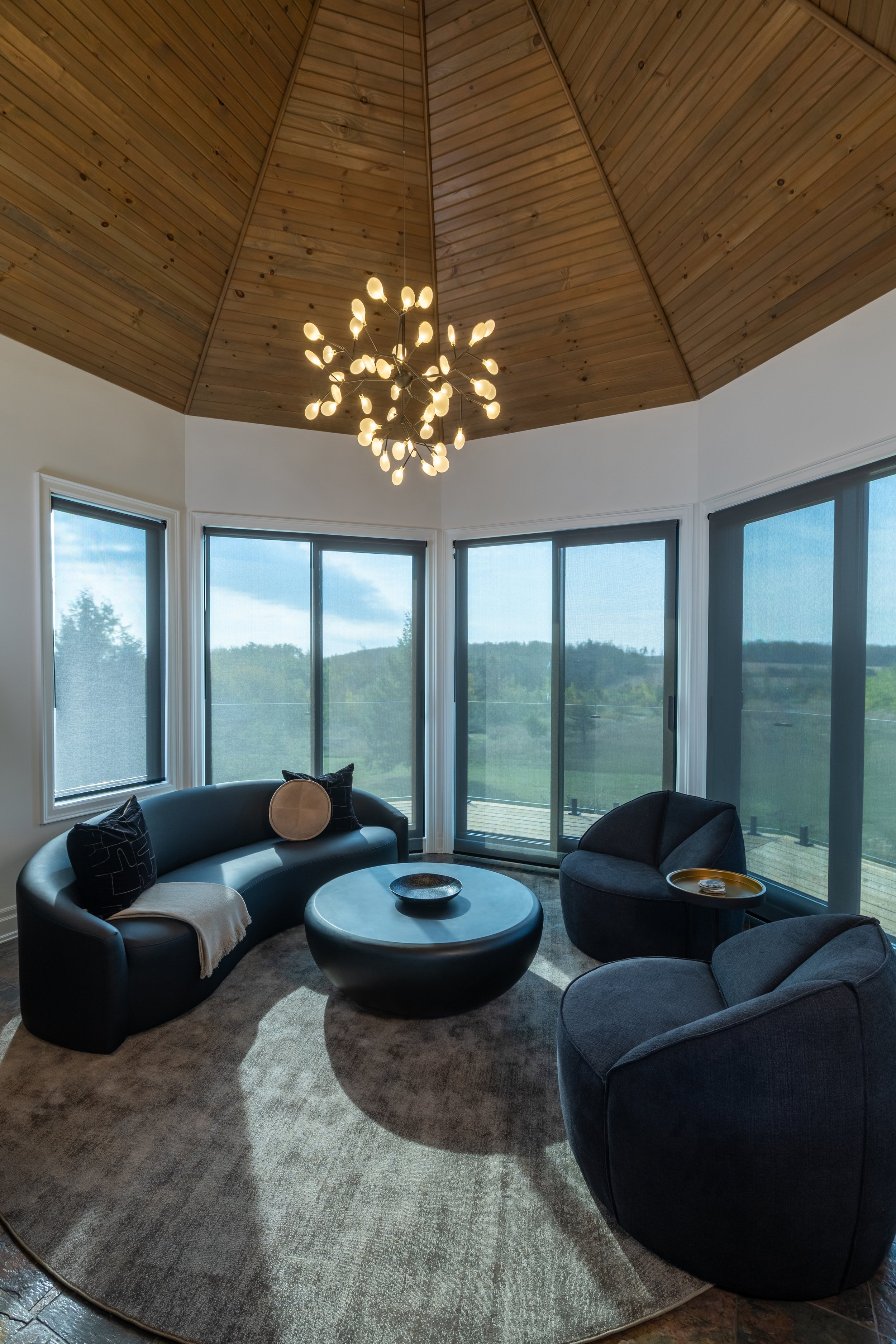
Some homeowners opt for an integrated design-build team that guides the project from concept through construction, while others choose to work with a designer and a builder as separate partners. Understanding how each approach works is a crucial first step towards charting a course that feels clear, supported, and aligned with your goals.
While both are effective, the right choice depends on the scope of the project and how involved you want to be in day-to-day coordination. Think of this blog as a guide that maps out each option so you can choose the model that best fits you and your project.
What Is the Design-Build Approach?
Design-build is an integrated model where one team oversees both design and construction from start to finish. Rather than handing plans from a designer to a contractor, the process moves forward collaboratively from day one, aligning vision, feasibility, and execution in real time.
“Having a single integrated team responsible for both design and construction removes the friction that often slows projects down.”
—Tom Martino, President of Westrose Construction.
See our design-build process, start to finish:
“It allows us to make informed decisions early, anticipate challenges, and keep timelines, budgets, and quality under control.”
For homeowners undertaking new home construction in Toronto, large-scale renovations, or custom builds, that integration leads to clearer decisions, smoother timelines, and a far more predictable overall experience.
One Point of Accountability
A key advantage of working with a design-build firm is having a single point of accountability. Homeowners coordinate with one dedicated team responsible for design decisions, budgeting, scheduling, and construction.
“It means there’s one clear point of contact handling everything. That clarity leads to less confusion and much faster problem-solving.”
—Tom Martino
This structure is particularly valuable for residential construction projects with multiple moving parts, where timelines and costs can otherwise get complicated.

Timelines, Budgets, and Cost Transparency
Budget predictability is a top concern for anyone planning home construction in Toronto or a large-scale home renovation in the GTA. A design-build approach supports this by integrating construction expertise into the process from the very beginning, long before drawings are finalized.
“Bringing construction insight in early allows us to establish realistic budgets and adjust them thoughtfully as the design evolves,” Tom explains. “Clients always know where they stand, which creates confidence and trust throughout the project.”
That early collaboration also makes it possible to identify and address structural constraints, permitting requirements, or site-specific conditions well before construction begins, protecting both the timeline and the integrity of the design.
“When design and construction move forward together, we’re able to address potential challenges head-on,” Tom adds. “It keeps projects moving steadily and allows homeowners to stay focused on the excitement of what they’re building.”

Get Your Hands On Our Free
Home Buyers Checklist!
Toronto-Specific Advantages
Toronto’s zoning bylaws, permitting processes, and older housing stock add layers of complexity to many projects. For custom homes in Toronto or major renovations, design-build allows designers and builders to work together early, navigating approvals and identifying existing conditions before they become costly delays.
“Toronto homes often have quirks you don’t see on paper,” Tom notes.
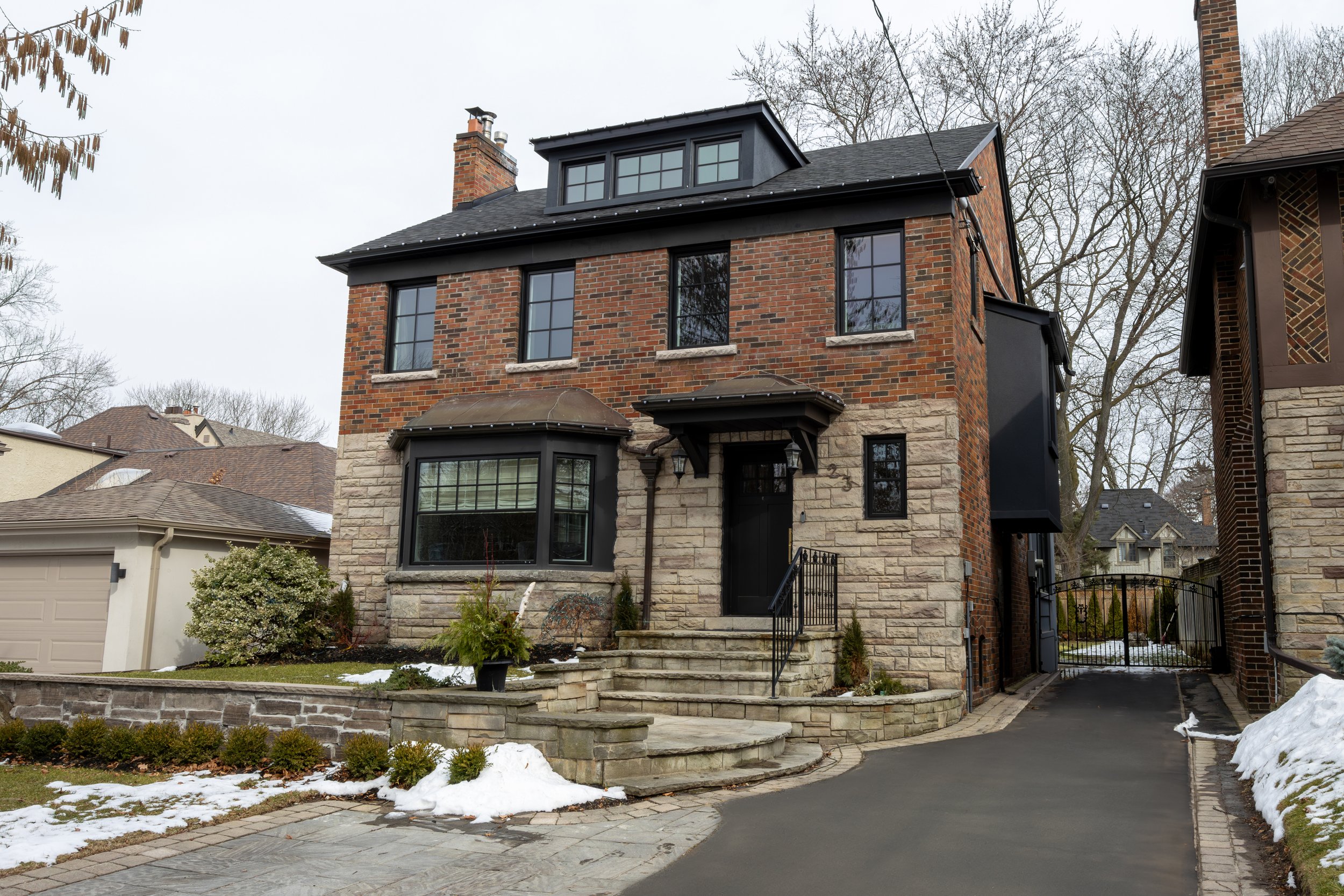
“With one team overseeing design and construction, we anticipate those quirks and keep the project moving smoothly.”
—Tom Martino
He adds, “Our experience in Toronto means we know what to look for before construction begins, from hidden structural issues to tight site logistics, so homeowners can enjoy the process instead of worrying about what might go wrong.”
Hiring Separately: What It Looks Like and Who It Works For
Hiring separately means working with a designer and a contractor under separate agreements. Some homeowners prefer this structure, particularly when they already have a designer they want to collaborate with or are undertaking a smaller, clearly defined project.
In these cases, a builder joins the team once designs are complete, working alongside the chosen designer to bring the project to life.
“We regularly partner with independent designers,” Tom says. “Our role is to execute the build to the highest standard while collaborating closely with the design team to protect the original vision.”
The Question Homeowners Should Ask
Ultimately, the choice comes down to responsibility and peace of mind. As Tom puts it:
Do I want a single team managing design, financials, and construction seamlessly or am I comfortable overseeing the process myself?
A Smarter Way Forward
Every renovation or custom build is a chance to create something extraordinary. Choosing an integrated design-build approach at the onset ensures that your vision is executed seamlessly, with one team, one plan, and full accountability. The payoff? A process that feels controlled, exciting, and truly rewarding from start to finish.
At Westrose, the focus is on removing complexity so clients can stay connected to the excitement of what they’re creating, not the stress of managing it. With one team guiding the project from the earliest design decisions through construction, accountability is clear, challenges are anticipated early, and progress feels steady and intentional.
That said, every homeowner’s situation is unique. For smaller-scale projects or clients who prefer to work with a designer they’ve already chosen, engaging a separate designer and builder may be the right fit. The key is understanding the scope of the project and how involved you want to be in day-to-day coordination.
“By the time we hand over the keys, clients should feel proud and excited, not exhausted.”
—Tom Martino
“Our goal is to make sure they arrive at that final reveal feeling calm, confident, and ready to enjoy the home they’ve been imagining.”
Interested in starting your project with Westrose Construction?
Click below and let’s talk!