
The Build Behind the Calm: Inside FS8 Port Credit
Overview
Ahead of FS8 Port Credit’s June 20th opening, Westrose Construction President Tom Martino shares the behind-the-scenes story of building the boutique wellness studio, from after-hours coordination above an active LCBO to the technical planning required to introduce showers and recovery amenities into an existing second-floor commercial space.
In just a few short weeks, FS8 Port Credit will welcome its first clients into a light-filled boutique fitness studio designed for movement, recovery, and connection. But long before reformer machines, wellness amenities, and calming interiors could take shape, the second-floor commercial space required months of planning, coordination, and technical problem-solving. Westrose Construction President Tom Martino takes us inside the build.
Building Above an Active Neighbour
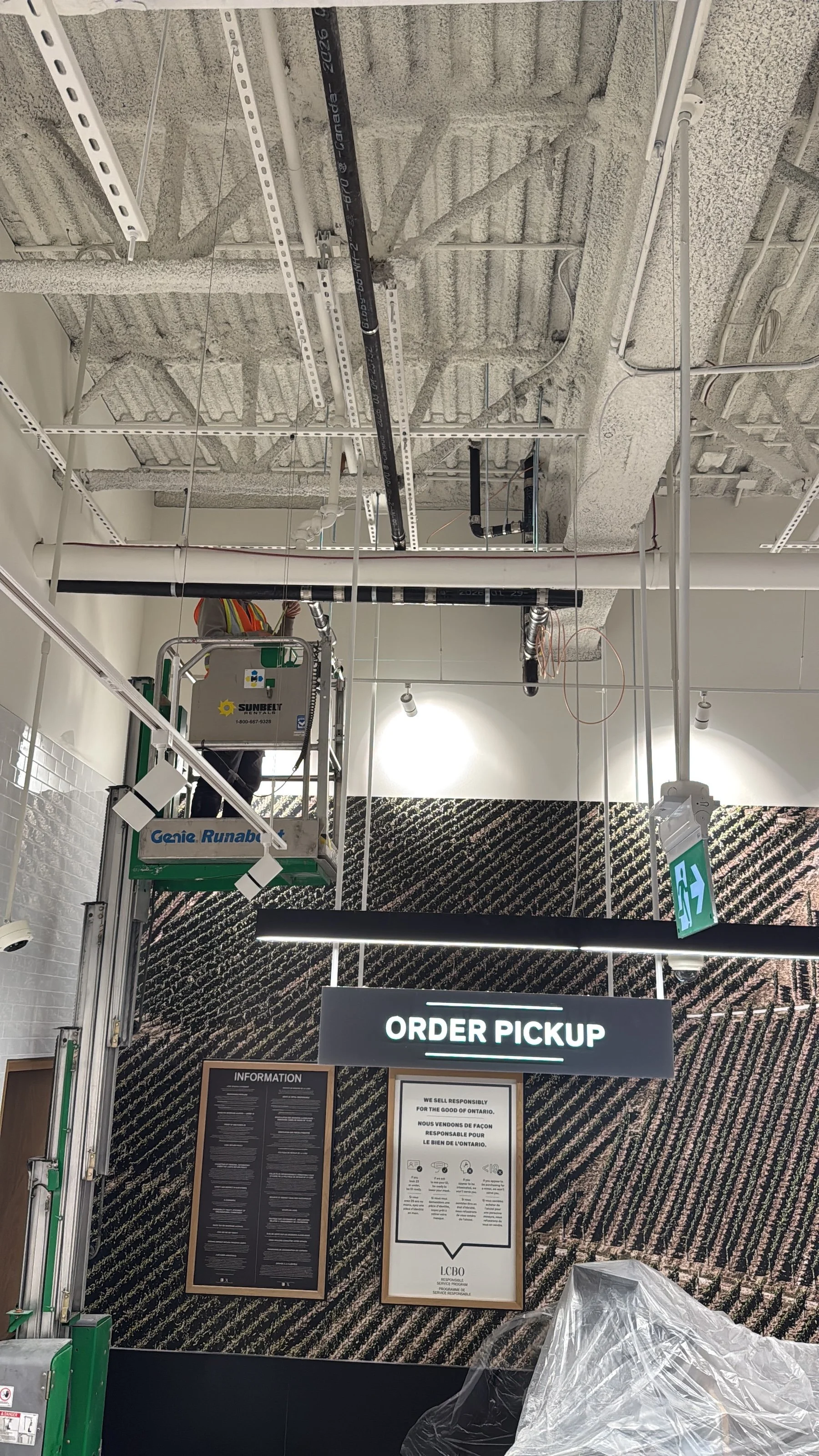
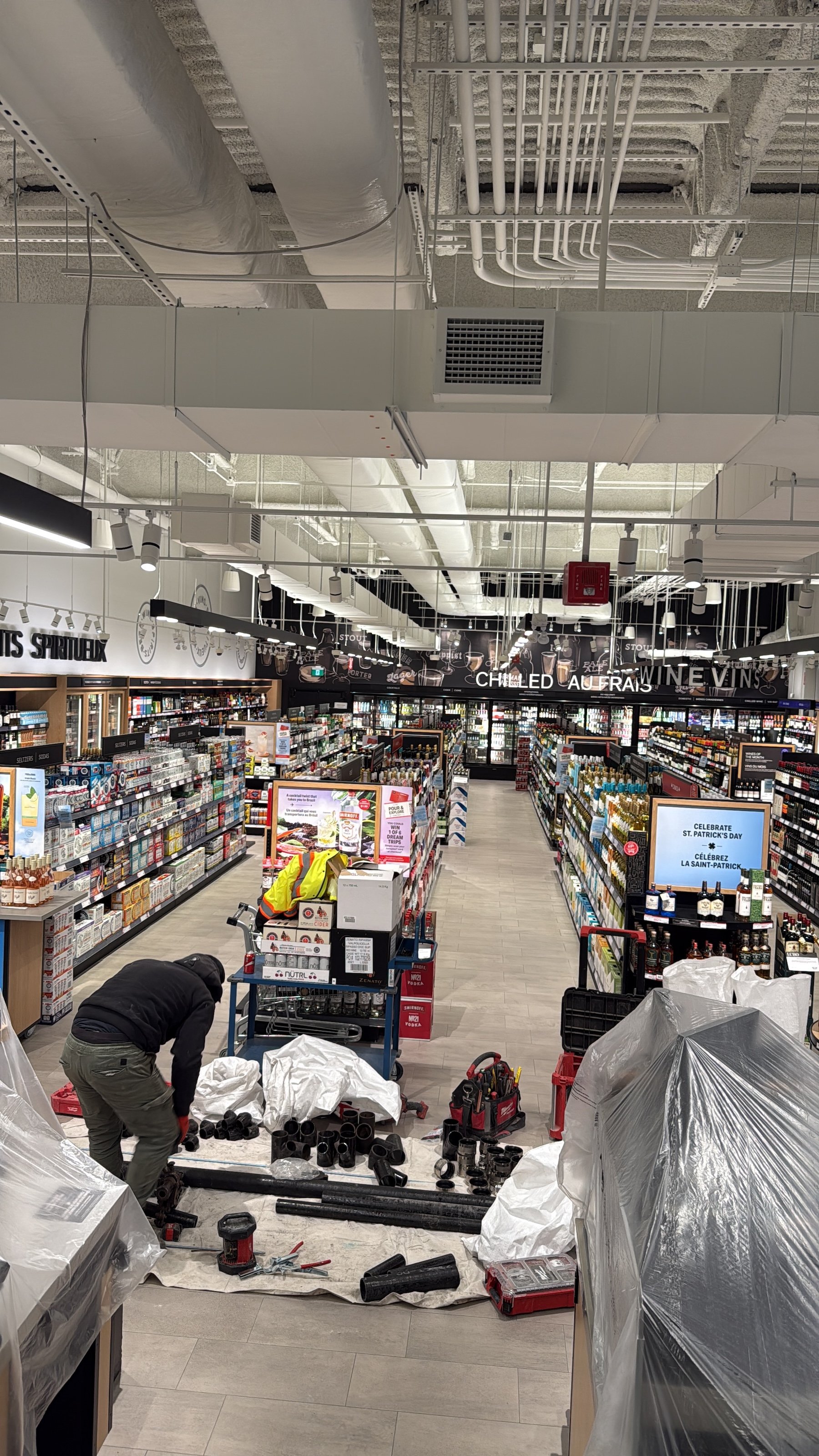
The studio occupies a second-floor commercial shell in Port Credit, directly above an active LCBO. That detail, simple as it sounds, shaped the entire approach to scheduling and trade coordination throughout the project.
Any work that created vibration, noise, or any disruption to the tenant below had to be carefully scheduled outside operating hours or contained within tightly controlled windows. Trades were staggered across the project timeline, sequencing was adjusted as conditions evolved, and higher-impact activities were carefully phased to maintain progress without interrupting the business below.
“Communication and coordination became a huge part of the construction process on this project,” says Tom.
Rather than treating those constraints as interruptions, the team built the entire workflow around them, using coordination as a structural part of the delivery process.
The Infrastructure Nobody Sees
A boutique wellness studio is designed to feel seamless once complete, but that sense of ease is built on a dense layer of technical coordination that takes shape long before finishes are installed.
For Westrose, the project also marked the company’s first fitness studio build, introducing a different level of planning, sequencing, and systems integration than a typical commercial space.
“This is actually our first fitness studio project, so that alone made the experience incredibly unique and exciting for our team,” says Tom. “We’ve really enjoyed the process from start to finish, especially learning the intricacies that come with building a boutique wellness and fitness space.”
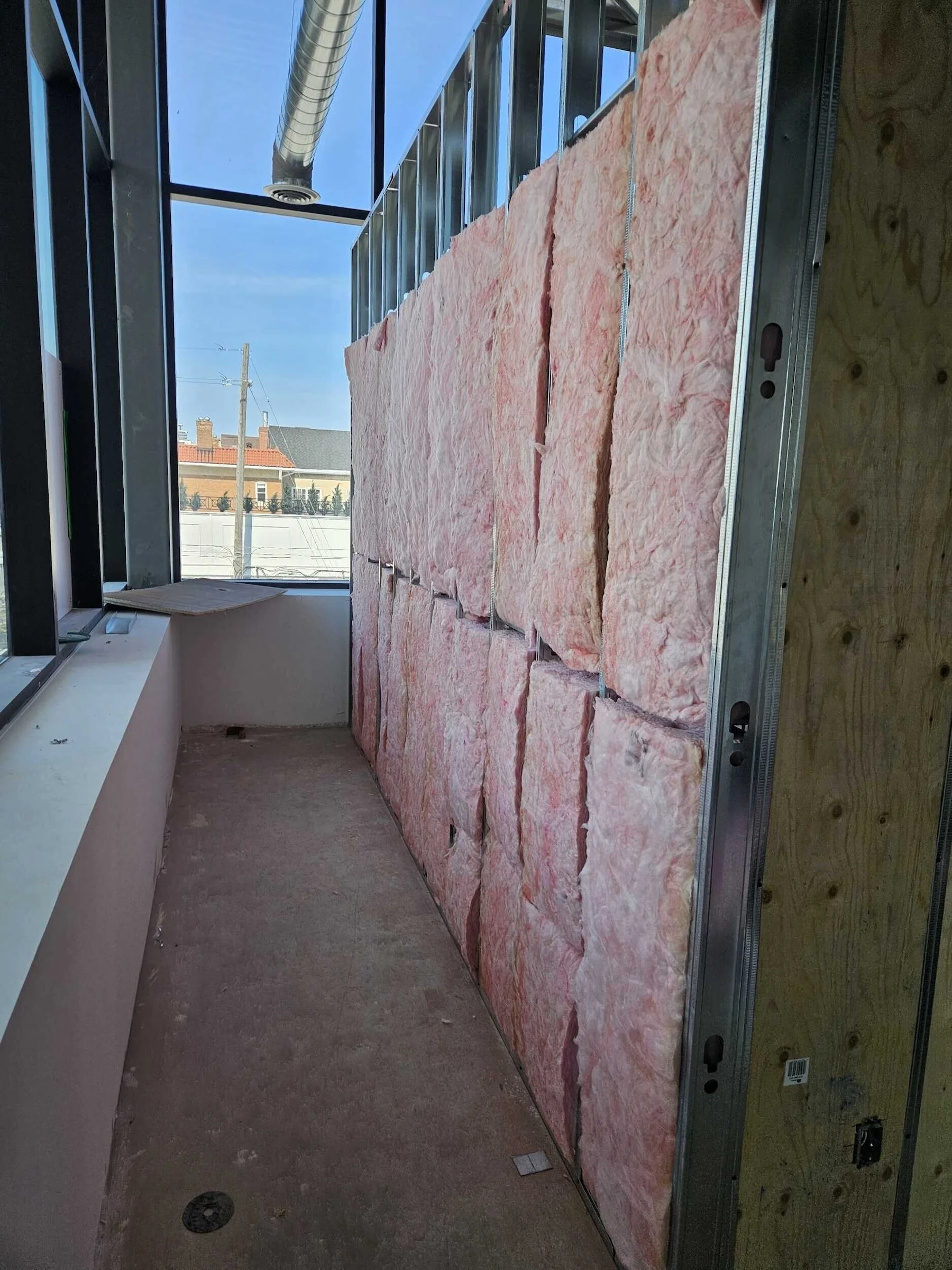
One of the most complex components involved introducing showers and wellness amenities on a second floor, which required careful plumbing coordination, particularly around drainage and venting within an existing structure.
Before any of that work could proceed, the team needed a precise understanding of what existed within the concrete slab. Detailed scanning and mapping ensured that coring and drilling could proceed safely without interfering with structural, electrical, or mechanical systems.
“Concrete scanning is critical because you need to understand exactly what exists within the slab before coring or drilling to avoid damaging structural elements, electrical, or mechanical systems,” Tom explains.
Once that groundwork was complete, attention shifted to the broader systems integration that defines a wellness environment. HVAC systems were carefully coordinated for air quality and comfort, acoustic detailing was used to manage sound between spaces, and electrical planning supported lighting scenes, equipment, and technology integration.
Most of this infrastructure disappears once construction is complete, but it is what allows the environment to feel effortless.
“The goal is for clients to walk in and simply feel calm,” he says, “even though there is an enormous amount of infrastructure working together behind the scenes to create that experience.”
Brand Standards Within Real-World Conditions
As a franchise build, FS8 Port Credit also had to align with established brand standards and design guidelines that define the consistency of the FS8 experience across locations.
At the same time, no two buildings are identical. Existing structure, mechanical systems, and site conditions all introduce constraints that require adaptation.
“It’s about finding practical solutions without compromising the overall experience or vision of the brand,” says Tom.
The result is a balance between design intent and construction reality, where adjustments are made carefully to preserve both function and identity.

Get Your Hands On Our Free
Home Buyers Checklist!
Navigating the Unknowns
Like most commercial renovations, the project revealed conditions that only became visible once demolition was underway. Working within an occupied commercial building added another layer of complexity, requiring close coordination between trades and quick decision-making as site conditions evolved.
These moments are expected in renovation work, but they reinforce the importance of flexibility on site, particularly when sequencing is constantly shifting.
Built From the Core Up
In Pilates, everything starts from the core. The same could be said for this build. Months of structural work, technical coordination, and behind-the-scenes problem-solving form the foundation for everything that follows.
“Reaching the final stages and seeing all the design, construction, and technical elements come together is incredibly satisfying,” says Tom.
“Knowing the space will soon be filled with energy, community, and people enjoying the experience makes all of the effort worthwhile.”
Next time…
Next time, the hard hats come off and the Zen begins. We reveal what it takes to design a wellness experience that leaves you with that ohm feeling—no LCBO products required!
Interested in starting your project with Westrose Construction?
Click below and let’s talk!