
Overview
Considering basement underpinning in Toronto? In Part 1 of this series, Westrose President Tom Martino breaks down what underpinning is, when it’s needed, and why more homeowners are revisiting their basements to create fully livable space.
Straight Talk With Westrose President, Tom Martino:
Underpinning is one of those topics that comes up frequently with homeowners, and for good reason. It’s one of the most impactful ways to transform a home, but it’s also one of the least understood.
There are always a lot of questions. What exactly is underpinning? When do you actually need it? Is it worth it?
So this month, we’re taking the time to answer those questions properly by dedicating a two-part series on our blog on one of my favourite topics. Yes, that’s underpinning. Starting with the fundamentals, when it is optional or when it becomes a necessity as well as why so many Toronto homeowners with already finished basements choose to renovate again, this time addressing that low ceiling height. Then in Part 2, we’ll go deeper into the actual process, what to expect during construction, and the key factors that shape each project.
Beneath the Surface
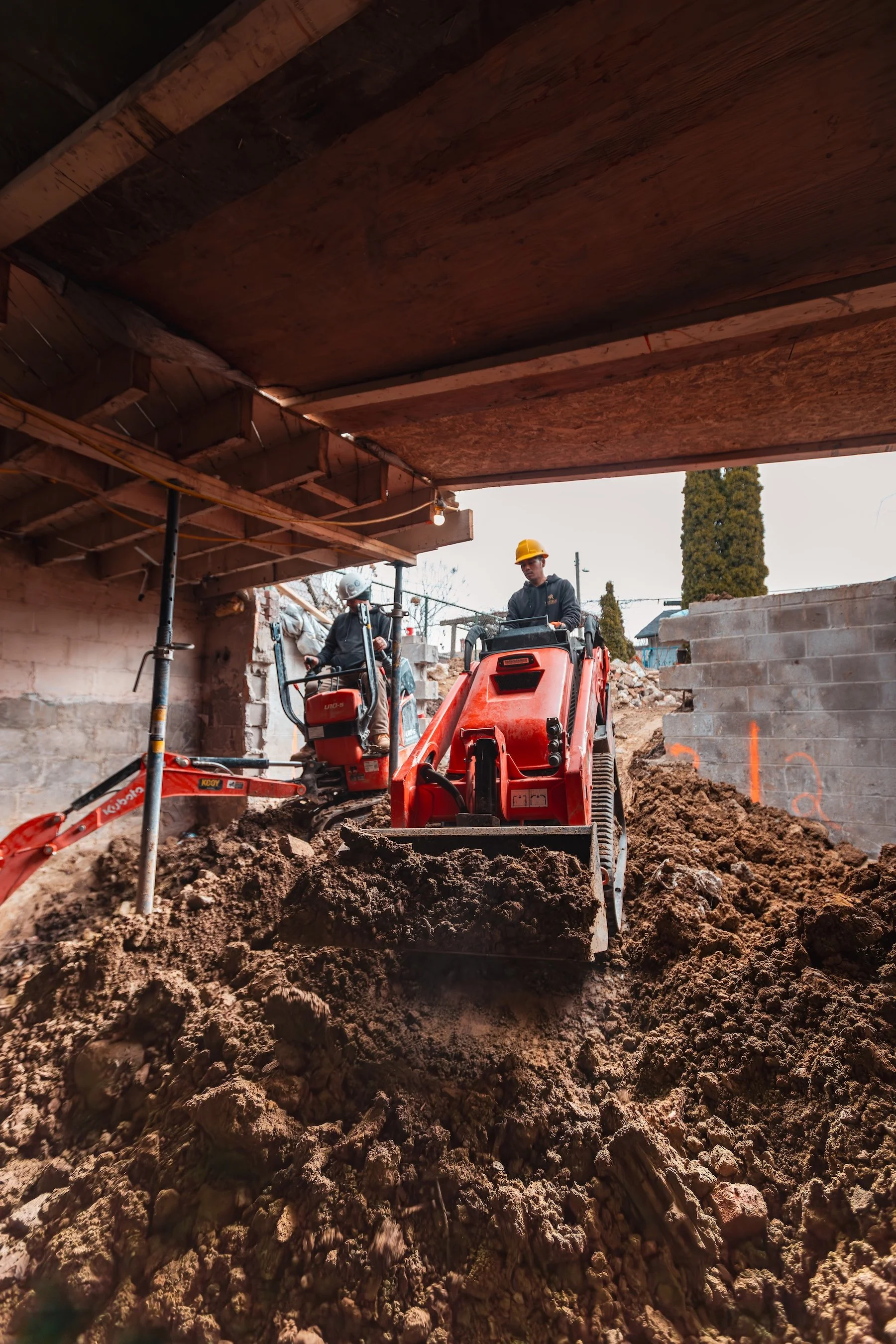
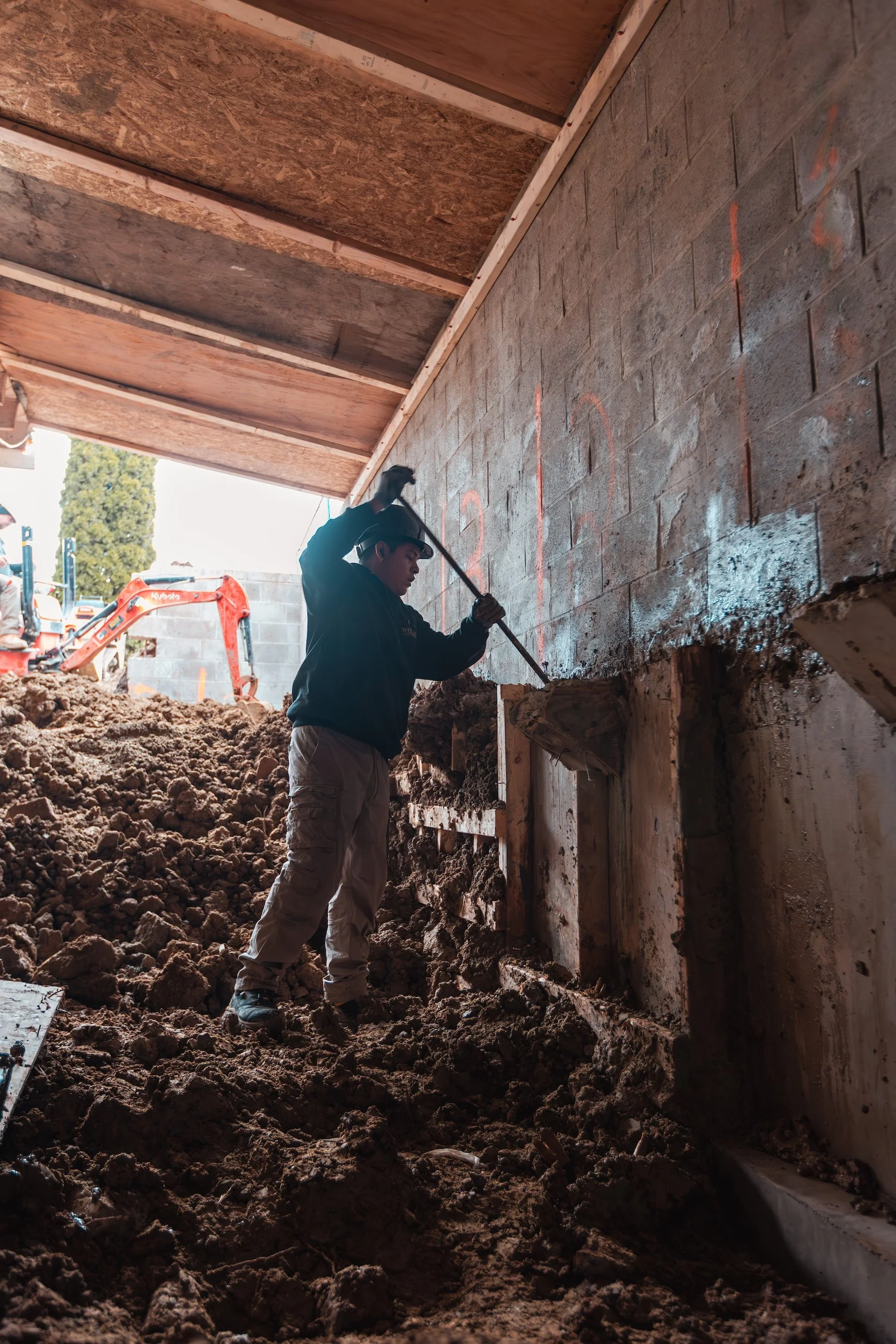
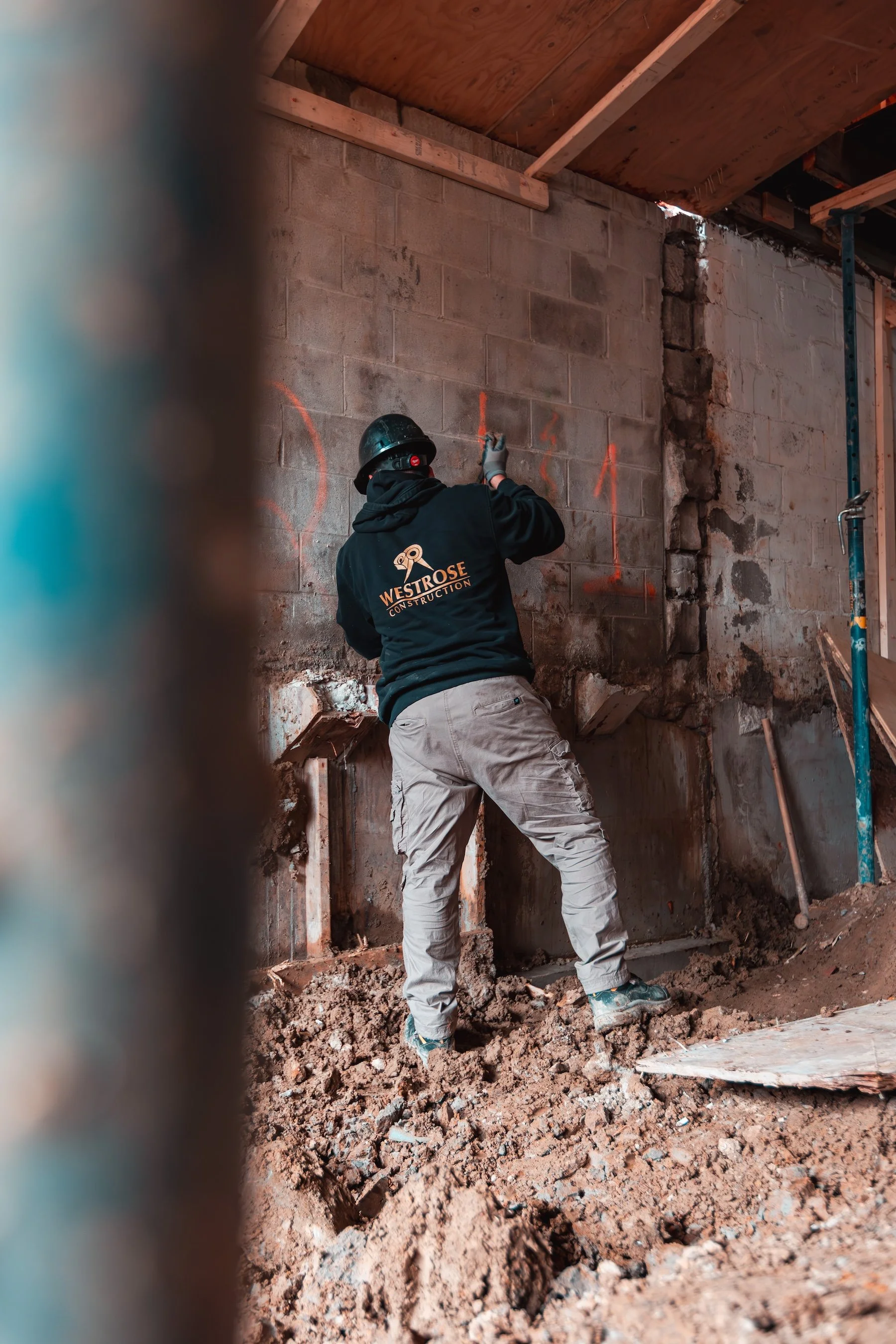
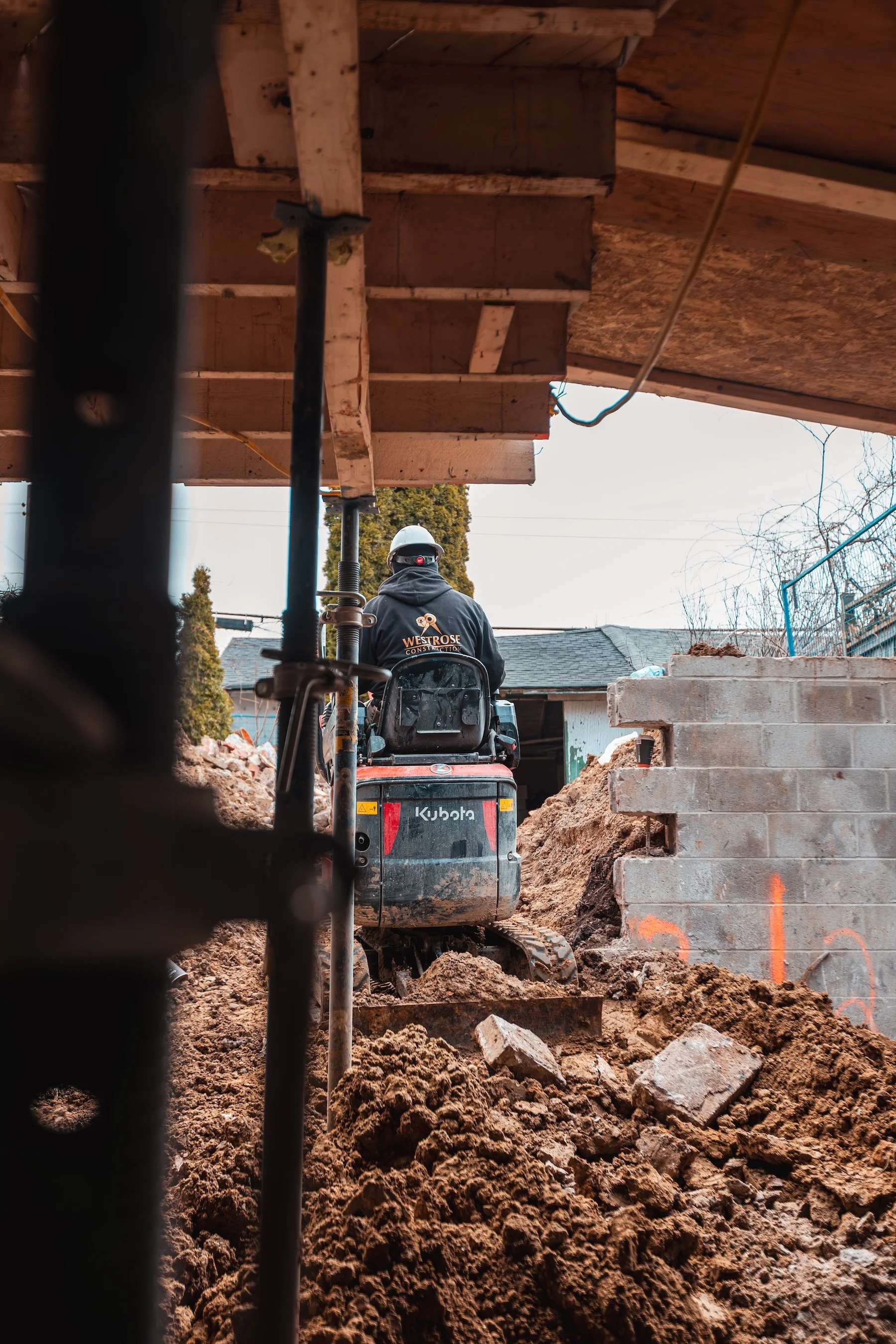
At its core, underpinning is “the process of strengthening and lowering your home’s existing foundation to create more usable space below,” explains Tom.
“In most cases, it allows you to increase basement height while also reinforcing the structural integrity of the home.”
To understand why it’s so relevant today, it helps to look at how basements have evolved over the decades in the GTA. In many pre-war homes, basements were little more than crawl spaces or low-clearance areas used for storage and mechanicals, often with ceiling heights around 6'5". It wasn’t until the post-war building boom of the 1950s through the 1970s that the “finished basement” became more common. Even then, those spaces were never designed to feel like the rest of the home.
Why More Toronto Homeowners Are Choosing to Underpin
That context still shapes what we see across Toronto today. Many homes have basements that are technically finished, but with ceiling heights below seven feet, they often feel dark, compressed, and disconnected from the main living areas.
That’s where underpinning comes in. “The most common reason homeowners choose underpinning is to make their basement a truly livable space,” says Tom. By lowering thefoundation, homeowners can move beyond simply “making do” and reimagine the space entirely by introducing full-height rooms that can accommodate everything from bedrooms and bathrooms to home gyms, theatres, and lounge-style entertaining areas.
“It adds value in how you live in the home today and how the home performs in the future,” Tom notes, both in terms of long-term structural stability and overall resale appeal. In a competitive market like Toronto, that added, functional square footage can be a key differentiator, especially in older homes where space is limited.

Get Your Hands On Our Free
Home Buyers Checklist!
When Underpinning Becomes Necessary
There are also situations where underpinning becomes necessary rather than optional. “This mostly happens when there are structural concerns,” Tom explains, pointing to issues like deteriorating foundations, significant cracking, or settlement. It can also be required when a homeowner is planning a major renovation or addition and the existing foundation needs to support additional load.
Beyond structure, the most immediate transformation is spatial. “Increasing ceiling height completely transforms how a basement feels,” Tom says. With the right proportions, better lighting, and thoughtful layout, what was once a secondary space can begin to feel indistinguishable from the main floor: bright, open, and fully integrated into the home.
While costs can vary depending on factors like the size of the home, depth of excavation, soil conditions, and site access, no two projects are exactly alike. As Tom puts it, “every property is different,” and those variables ultimately shape the scope and investment required.
For a general sense of cost, Tom notes that Westrose projects typically start at around $90 per sq. ft., with complexity influencing the final scope.
NEXT TIME, in Part 2, we’ll go deeper—quite literally—into the underpinning process. From how the work is carried out to what homeowners can expect along the way, we’ll break it down step by step, along with why it remains one of Tom’s favourite parts of the job. As he puts it,
“Underpinning isn’t just about what happens below the surface, it’s about what it makes possible above it.”
With a strong foundation in place, thoughtful, intentional design brings light, height, and flow into the lower level, transforming it into a space that feels open, expansive, and fully integrated with the rest of the home. The result is a dramatic shift: the line between upstairs and downstairs living disappears and as every square inch of the home is optimized for modern living.
Interested in starting your project with Westrose Construction?
Click below and let’s talk!