
Smart Homes, Simplified: How Automation Elevates Everyday Living
Overview
Explore how today’s smart homes go beyond connected devices to create truly intuitive living spaces. Learn the difference between stand-alone smart gadgets and fully integrated systems, how lighting, climate control, shading, security, and audio enhance comfort and convenience, and why planning automation early is critical. Discover the next wave of AI-driven automation and wellness-focused design.
A home filled with digital devices does not a smart home make.
“Home automation isn’t just about technology; it’s about creating a home that works for you,” says Tom Martino, president of Westrose Construction. True intelligence comes from intuitive systems that learn your routines and offer an effortless way of living. “It’s about anticipating your needs, so your environment adjusts automatically without you having to lift a finger.”
If this ‘effortless living’ involves clearing the house of countless cords taking up valuable floor space, sign me up. Before you take the plunge, though, it is helpful to learn the difference between a few connected devices and a fully integrated system.
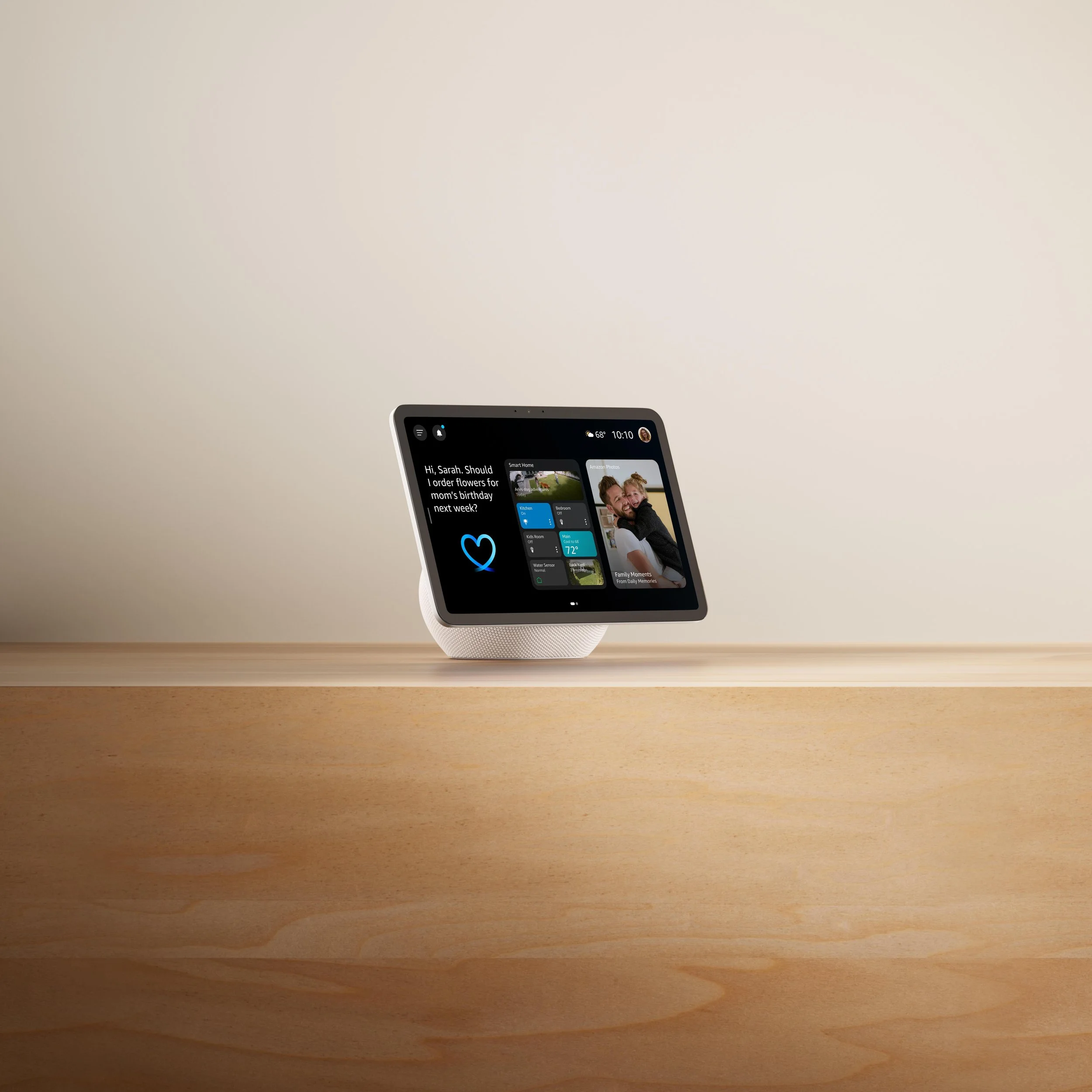
It is easy to manage Alexa+ and your smart home through a hub like the Echo Show 11 as the dashboard is easy to control and visualize all features.
“Stand-alone smart devices operate individually, like a single smart light or a voice assistant. A fully integrated system, however, links everything together such as lighting, climate, security, and entertainment, so a single command or pre-set can orchestrate multiple elements at once.” The latter creates a cohesive experience that responds to your lifestyle, while the former offers isolated moments.
“A connected home lets you control things from your phone, a smart home makes decisions for you.”
— Tom Martino, president of Toronto-based custom builder Westrose Construction.
Lighting typically has the most immediate effect and is often the first thing clients notice. Automated systems shift with the time of day: bright and energizing in the morning, softer and warmer by evening, and precisely set for entertaining. Thoughtful design also streamlines wall controls, replacing multiple switches with a single, intuitive keypad or pre-set scene, reducing visual clutter while maintaining purposeful light layering.
Climate control works unobtrusively, maintaining a consistent level of comfort without manual adjustments. Motorized blinds add both function and refinement by enhancing privacy, regulating natural light, and supporting energy efficiency. All these everyday elements that optimize your home silently work in the background,
“The most impactful features are the ones you don’t have to think about.”
— Tom Martino, president of Toronto-based custom builder Westrose Construction.
Security is a major value driver; integrated cameras, alarms, and sensors coordinate with lighting, climate, and shading, providing peace of mind. Integrated audio introduces a subtle layer of luxury: music flows through the home seamlessly, whether unified or zoned, without visible hardware or interruption.
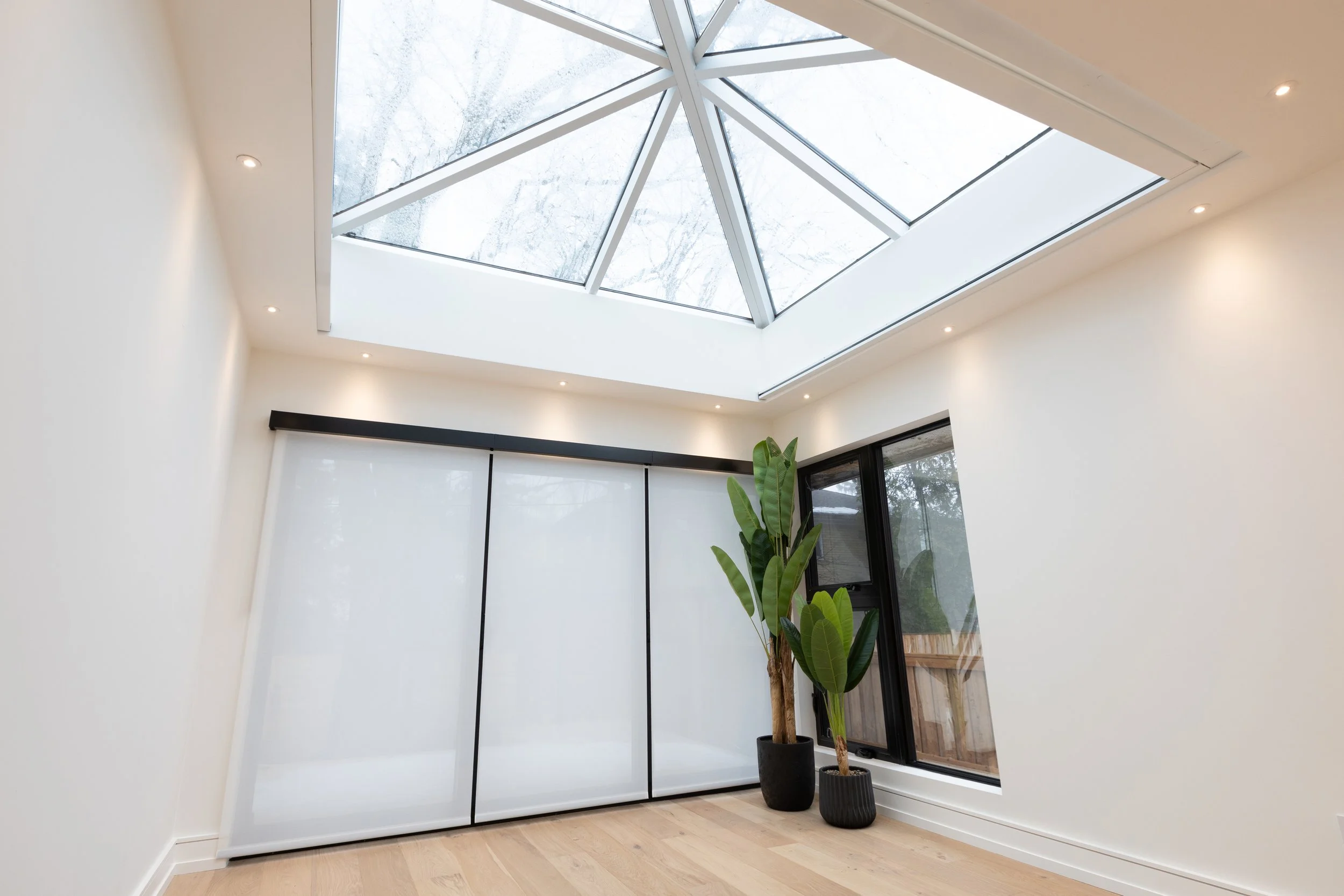
A connected home gives control, but a smart home goes further. Scenes, sensors, and scheduling adjust your environment automatically. A “Good Morning” pre-set might raise blinds, adjust the thermostat, and activate soft lighting, while motion detection and programmed timing align the home with daily life. Technology operates quietly, supporting routines without demanding attention.

Get Your Hands On Our Free
Home Buyers Checklist!
Tom stresses that early planning is essential. “One of the biggest mistakes is treating automation as an afterthought,” he says. Proper design ensures wiring, Wi-Fi coverage, and system coordination are integrated from the start so lighting, shading, climate, audio, and security function cohesively. “Without proper planning,” Tom adds, “even the most advanced devices can feel disjointed if they’re not designed to work together from the beginning.”
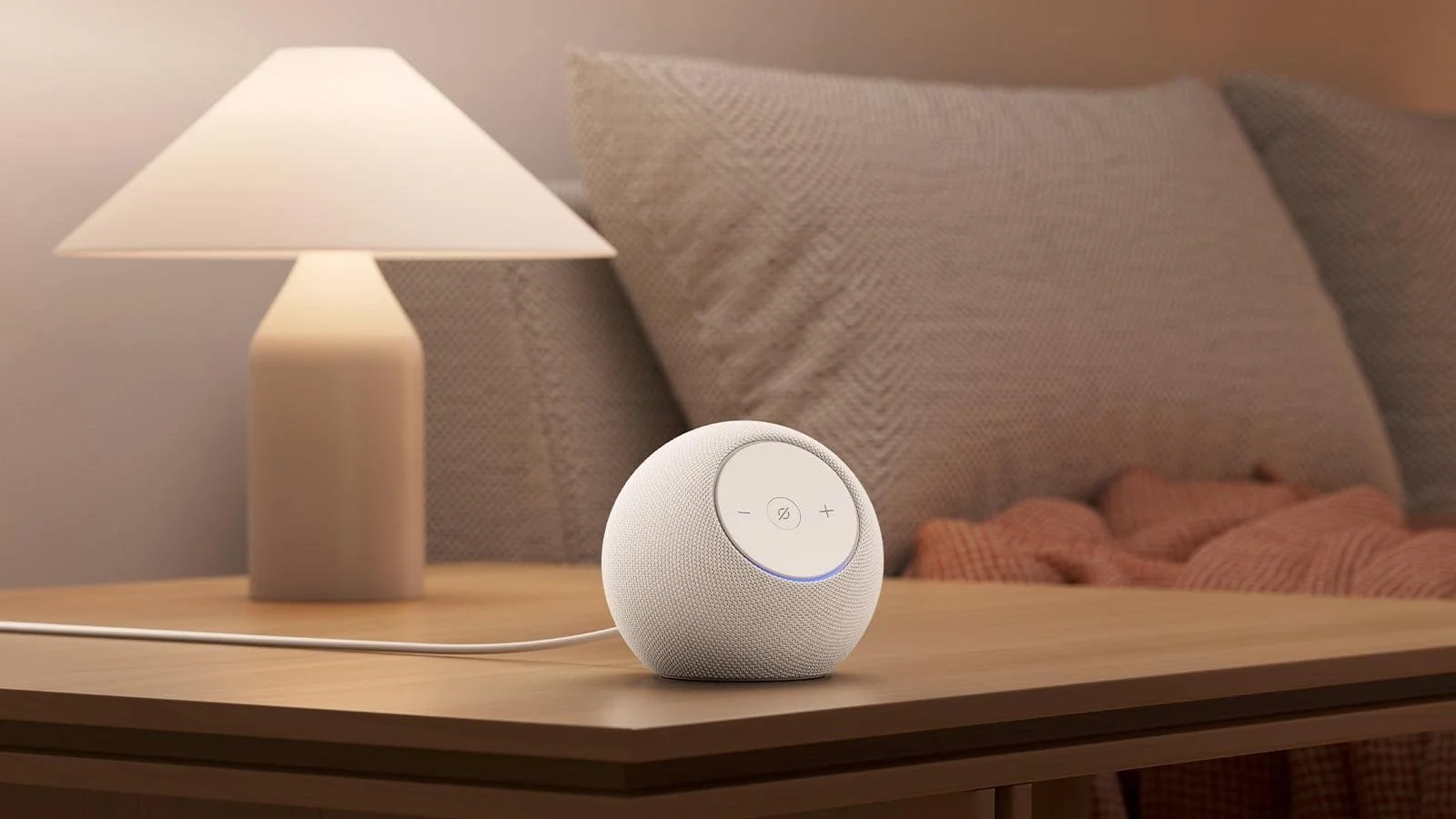
Alexa+ can integrate and manage a fully automated smart home with just the control of your voice. She can control all compatible smart home devices like smart blinds, lights, temperature control and security devices like video doorbells and security cameras.
Looking ahead, smart home innovation is shifting toward refinement over novelty. AI-driven systems learn patterns in real time, adjusting lighting, temperature, and ambiance according to daily habits. Wellness considerations are also becoming integral, with circadian lighting, air quality monitoring, and sleep-supportive features embedded into design.
“Homes are evolving from reactive spaces to ones that actively support your lifestyle and wellbeing.”
— Tom Martino, president of Toronto-based custom builder Westrose Construction.
Ultimately, smart homes are about more than convenience, they are about intentional living. As Tom concludes, “When your home quietly supports how you live, you spend less time managing technology and more time enjoying the moments that matter.” From lighting and climate to shading, security, and sound, today’s homes offer a responsive, considered environment that elevates everyday life.
Now, that’s smart.
Interested in starting your project with Westrose Construction?
Click below and let’s talk!