
Costs, Permits, and Timelines Explained
I don’t have to tell you, this winter has been a tough one for Toronto homeowners. The season started extra early bringing extended cold spells along with significant snowfall across the city. Whether it’s a one-off year or a sign of what winters in the GTA may look like going forward, many homeowners are thinking about how to better prepare their properties for harsh conditions.
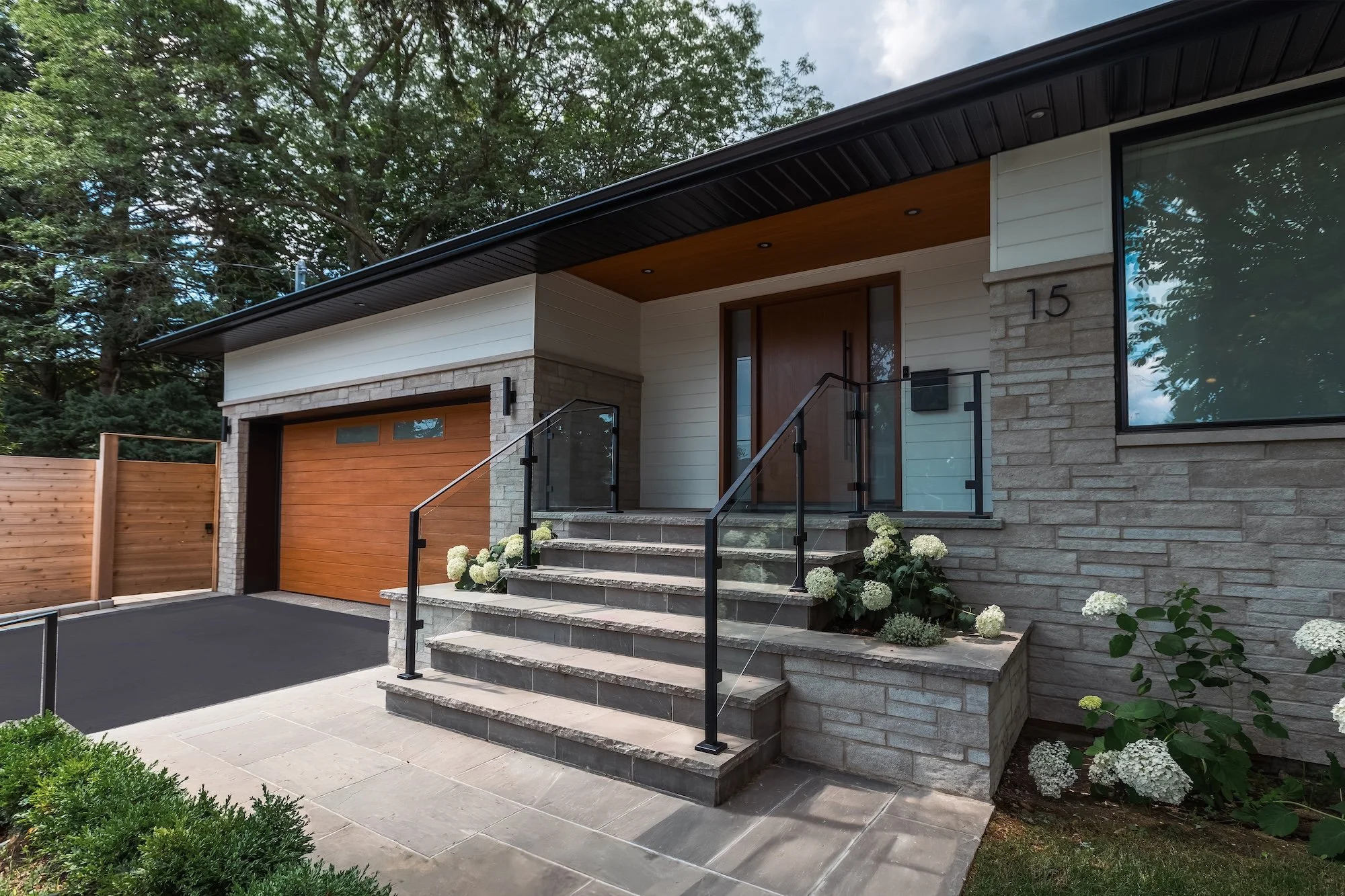
One upgrade gaining attention in custom home and residential construction projects is the heated driveway. Beyond convenience, it can improve safety by reducing icy surfaces and helping homeowners avoid the stress of managing snow after every storm.
“A properly installed heated driveway can eliminate most manual snow shoveling and ice scraping on the driveway itself,”
— Tom Martino, President of Westrose Construction, a leading custom home builder in Toronto.
“Homeowners may still need to clear steps, walkways, and landings unless those areas are also heated.”
Electric vs Hydronic Heated Driveway Systems
There are two main types of heated driveway systems available — electric and hydronic — and understanding the difference can help homeowners decide which approach best suits their property. Electric systems use heating cables installed beneath the driveway surface, while hydronic systems circulate heated fluid through durable tubing below the driveway. Sensors detect temperature and moisture and automatically activate the system when conditions for snowfall or freezing are present. The heat warms the surface from below, melting snow on contact and helping prevent ice formation and refreezing. Systems can be fully automated or manually controlled, depending on homeowner preference.
| Feature | Electric System | Hydronic System |
|---|---|---|
| Best for | Smaller urban driveways | Larger custom homes |
| Typical size | Under 800–1,000 sq. ft. | Over 1,000 sq. ft. |
| Upfront cost | Lower | Higher |
| Long-term efficiency | Higher operating cost | More efficient long term |
| Lifespan | 20–30 years | 30–40+ years |
| Maintenance | Minimal | Occasional servicing of boiler or pumps |
“The main deciding factors are driveway size, upfront versus operating cost, lifespan, and long-term plans for the home,” Tom explains.
This winter solution won’t affect your design choices either. Heated driveway systems are compatible with a variety of premium materials, including concrete, interlocking pavers, natural stone, and asphalt, without affecting the appearance or durability of the finished surface. When installed correctly, they can even help extend the life of a driveway by reducing freeze-thaw cycles and limiting the need for salt or aggressive snow removal.
Installation Timeline and Considerations
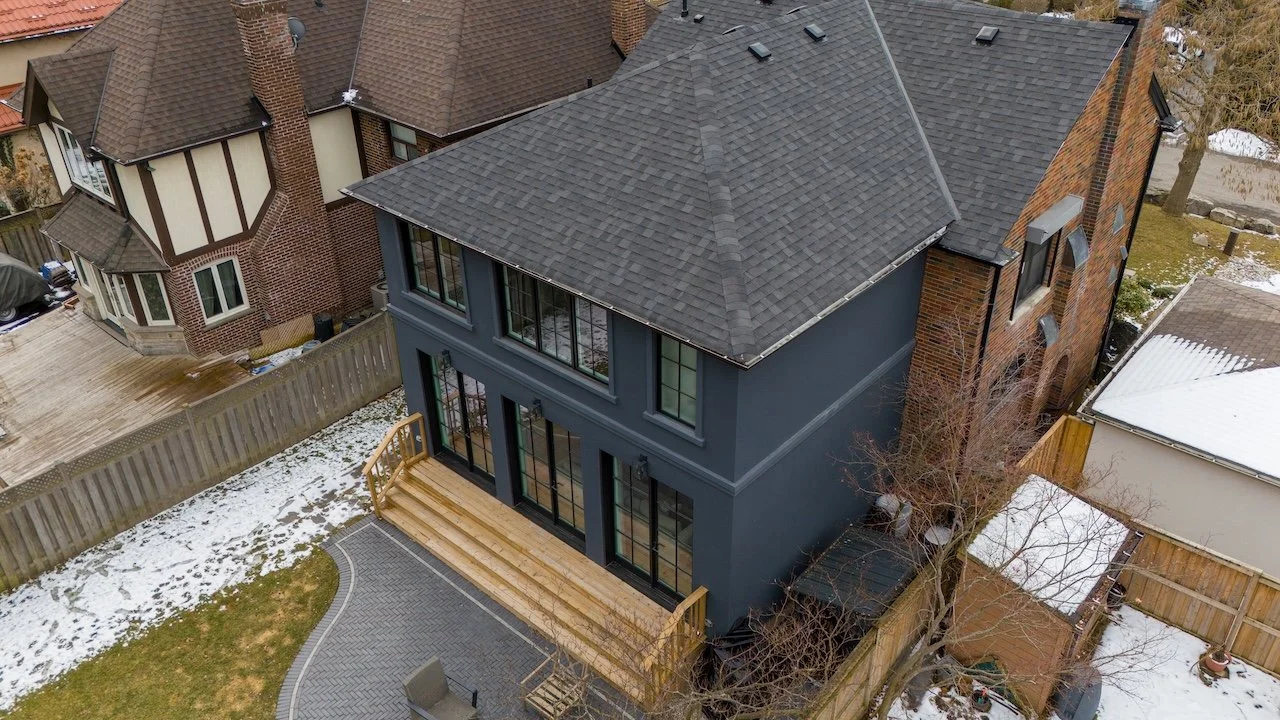
Timing is critical for installation. In Toronto, heated driveways are typically installed during the warmer months, generally from May through October, when temperatures are consistently above freezing and conditions are dry enough for proper installation. Materials such as concrete and asphalt require suitable curing conditions, and warmer weather also makes excavation and electrical or hydronic work more efficient.
From a construction standpoint, the process follows several key steps. “Installation typically begins with excavation and base preparation, followed by insulation to improve efficiency, placement and testing of the heating system, and finally completing the driveway surface,” Tom says. In ideal conditions, the process typically takes about one to two weeks from start to finish, depending on weather and project scope.

Get Your Hands On Our Free
Home Buyers Checklist!
Costs and Long-Term Value
While heated driveways are a premium upgrade, many homeowners see them as both a convenience and a long-term investment. Installation costs generally range from about $18 to $35 per square foot for electric systems and $28 to $55 per square foot for hydronic systems. Operating costs in Ontario typically range between $360 and $1,200 per winter. For many homeowners, this compares favourably with the cost and occasional unreliability of snow removal services during heavy snowfall seasons. “Whether you rely on a snow removal service or fire up the snowblower yourself after a storm, a heated driveway offers peace of mind that’s hard to put a price on,” says Tom.
Retrofits and Options for Existing Homes
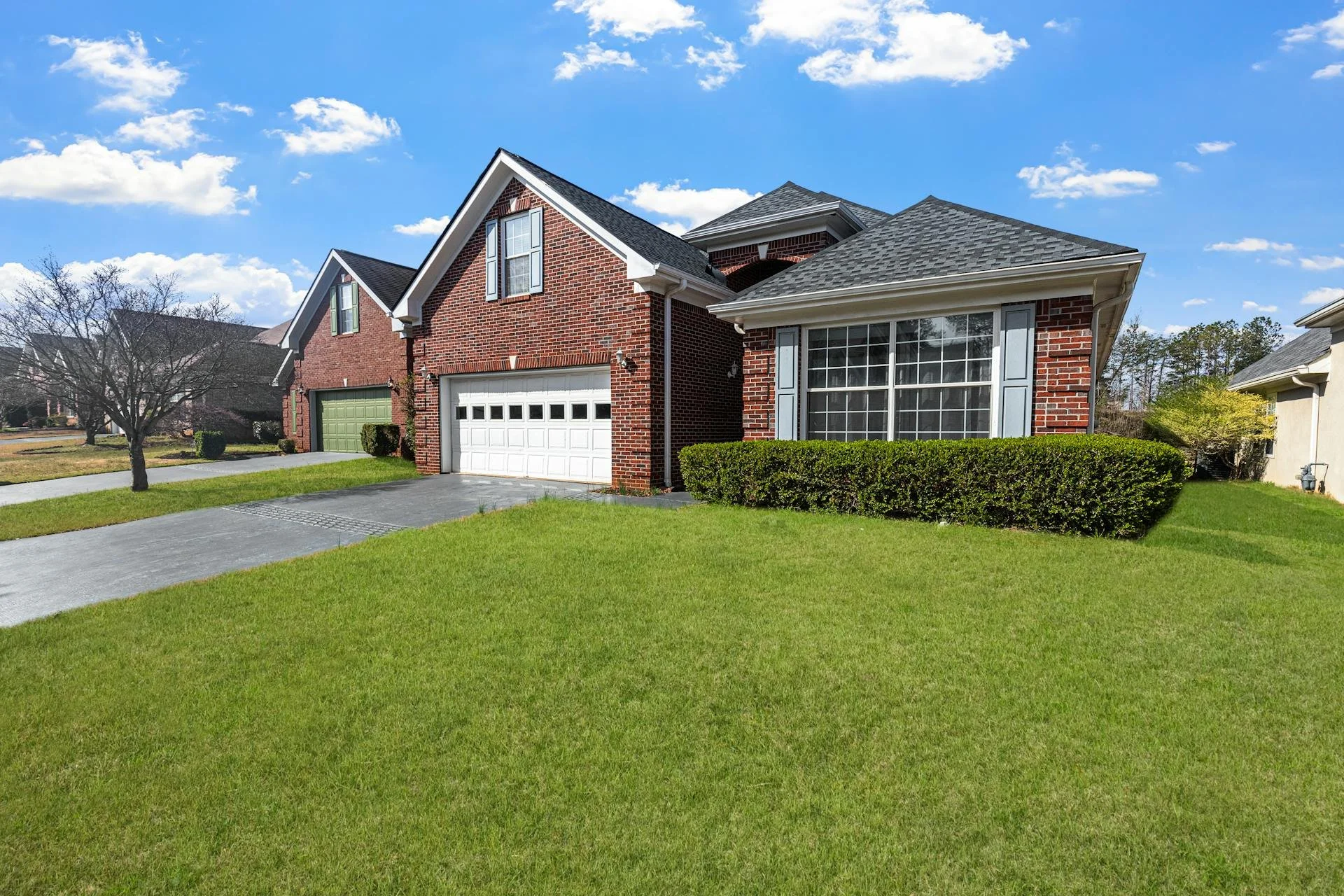
Heated driveways are often easiest and most cost-effective to install during new home construction in Toronto or a full driveway replacement on a custom home built by a reputable builder in Toronto. However, homeowners who aren’t currently building or renovating a custom home can still choose to retrofit a heated driveway, even though this approach requires removing the existing surface and rebuilding the base before installation.
Why Heated Driveways Are Becoming Essential
For many GTA homeowners building or renovating custom homes in Toronto, heated driveways are becoming less of a luxury and more of a practical feature in modern home construction in Toronto. With the system doing the heavy lifting throughout the winter months, homeowners can relish the upgrade throughout the season. That means while your neighbours are on constant “salt patrol” or on the hunt to clear every patch of ice, you can spend time on more leisurely activities, confident that your driveway remains safe, clear, and low-maintenance.
Interested in starting your project with Westrose Construction?
Click below and let’s talk!